If you live in Red Wing, Lake City, Cannon Falls, Zumbrota, Ellsworth, or one of the many communities Culligan of Red Wing serves, you may have wondered what is actually in your water.
Is it hard? Does it contain elevated minerals? How does your water compare with nearby homes?
Culligan of Red Wing set out to answer those questions using data from homes across southeast Minnesota and western Wisconsin.
Over 15 months, Culligan technicians performed 1,496 in-home water tests and service checks across 1,327 unique homes in 37 cities.
The testing looked at water hardness, total dissolved solids (TDS), nitrates, iron, and odor.
The results show several clear regional patterns, particularly around very hard water and localized nitrate, iron, and odor concerns.
What Did Culligan’s Local Water Testing Find?
The biggest finding was water hardness.
- 99% of homes tested had water above 10.5 grains per gallon (GPG)
- The regional median hardness was 19 GPG
- 12% of homes tested had TDS above 500 ppm
- 19% of nitrate readings were 10 ppm or higher
- 49% of homes tested for iron had raw iron at 2 ppm or higher
- 38% of homes reported noticeable water odor
These results represent the homes Culligan tested and are not intended to represent every home or municipal water system in southeast Minnesota and western Wisconsin.
Southeast Minnesota Water Is Predominantly Very Hard
If your water feels hard, you’re not imagining it.
The testing confirmed that very hard water is widespread across the region. The regional median hardness was 19 GPG.
The U.S. Geological Survey classifies water above 10.5 GPG as very hard. Hard water primarily contains elevated levels of dissolved calcium and magnesium and can contribute to scale formation and increased soap use.
What Does 19 GPG Mean for Your Home?
Very hard water can contribute to:
- White, crusty buildup on faucets and showerheads
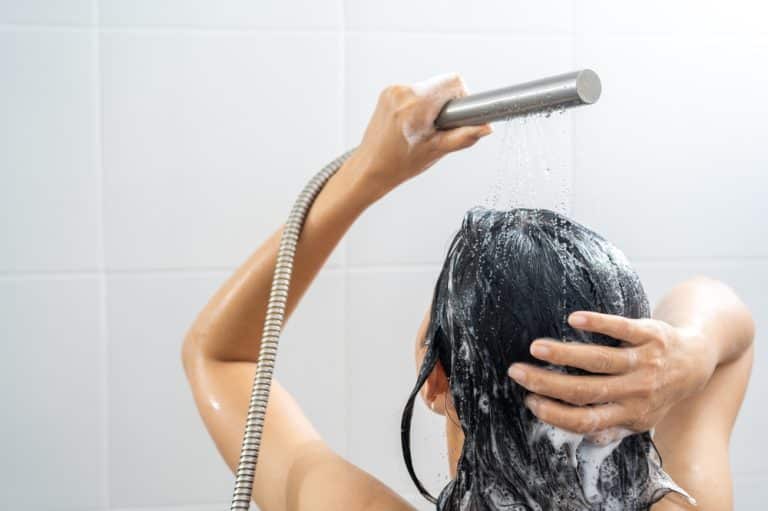
- Soap and shampoo that don’t lather properly
- Stiff-feeling laundry
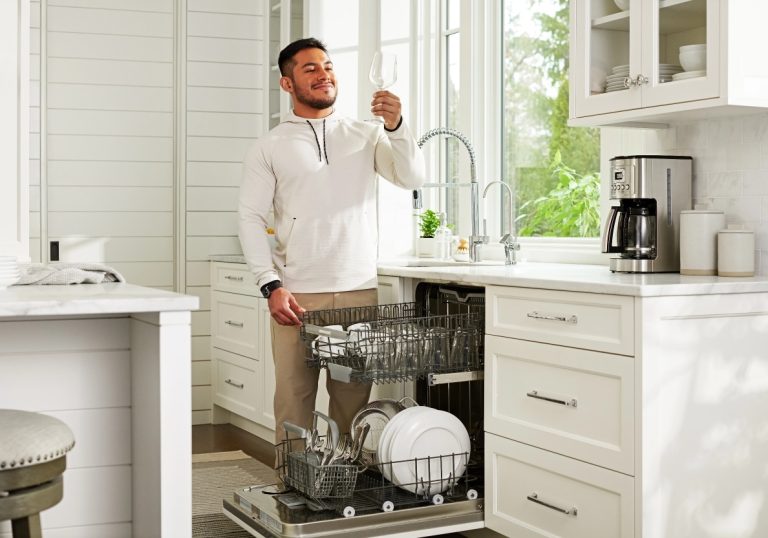
- Water spots on dishes and glassware
- Mineral buildup in plumbing and water-using appliances
- Increased use of soap and detergents
Hardness is primarily a household performance and maintenance concern rather than a federal drinking-water health standard.
Whether you’re on city water in Red Wing or a private well outside Goodhue, Culligan’s testing found very hard water was common throughout the region.
Water Hardness by City: How Does Your Town Compare?
Some of the hardest readings came from smaller communities where well water is more common:
| City | Median Hardness (GPG) | Classification |
| Millville, MN | 24.5 | Very Hard |
| Kenyon, MN | 23.0 | Very Hard |
| Stockholm, WI | 23.0 | Very Hard |
| Dennison, MN | 22.0 | Very Hard |
| Plum City, WI | 22.0 | Very Hard |
| Elgin, MN | 22.0 | Very Hard |
| Mazeppa, MN | 21.0 | Very Hard |
| Wabasha, MN | 20.5 | Very Hard |
| Cannon Falls, MN | 20.0 | Very Hard |
Every city shown above falls into the USGS “very hard” category.
The only city in the dataset close to the threshold was Randolph, MN, with a median hardness of 10 GPG. Under the USGS classification, that is considered hard water rather than very hard water.
What Is Total Dissolved Solids (TDS)?
Total dissolved solids, or TDS, measures the concentration of dissolved substances in water, including minerals and salts.
TDS alone does not determine whether drinking water is safe. However, the EPA lists 500 mg/L as a secondary drinking-water standard for TDS, primarily because higher levels can affect taste and contribute to deposits and other aesthetic problems.
Culligan’s regional median TDS was 340 ppm, but the results varied considerably between communities.
- 12% of homes tested above 500 ppm
- Red Wing had 29% of tested homes above 500 ppm
- Ellsworth, WI had 11% of tested homes above 500 ppm
- Beldenville, WI had 20% of homes above 500 ppm
- Ellsworth had a median TDS of 396 ppm
A high TDS reading does not automatically mean a home needs reverse osmosis. The appropriate treatment depends on which dissolved substances are present and the homeowner’s water-quality goals.
Nitrates in Southeast Minnesota: A Concern Worth Watching
Nitrates in drinking water can come from fertilizer, agricultural runoff, septic systems, animal waste, and other sources.
The EPA’s maximum contaminant level for nitrate is 10 mg/L when measured as nitrogen. Elevated nitrate is particularly important for households with infants because exposure can cause methemoglobinemia, commonly known as “blue baby syndrome.”
Culligan’s testing found:
- A regional median nitrate reading of 2 ppm
- 19% of readings at 10 ppm or higher
- Several communities with significantly elevated percentages of readings at or above 10 ppm
Cities With the Highest Nitrate Readings
| City | % of Tests at 10+ ppm | Max Reading (ppm) |
| Plum City, WI | 100% | 15 |
| Prescott, WI | 100% | 10 |
| Beldenville, WI | 50% | 15 |
| Goodhue, MN | 48% | 25 |
| Bay City, WI | 44% | 20 |
| Maiden Rock, WI | 43% | 10 |
| Kellogg, MN | 40% | 30 |
| Hastings, MN | 38% | 18 |
| Hager City, WI | 36% | 15 |
These percentages represent the homes Culligan tested and should not be interpreted as saying every home in these communities has elevated nitrate.
Several western Wisconsin communities, including Bay City, Beldenville, Maiden Rock, and Hager City, showed elevated nitrate rates. In Minnesota, Goodhue, Kellogg, and Hastings stood out.
What Should You Do If Your Well Tests High for Nitrate?
If you rely on a private well, annual nitrate testing can help identify changes in water quality over time. Minnesota Department of Health recommends private well owners test for nitrate annually.
If nitrate levels are elevated:
- Use a safe alternative drinking-water source while addressing the problem
- Have the well inspected and look for potential contamination sources
- Consider appropriate point-of-use treatment, such as reverse osmosis, after evaluating the source and water chemistry
- Do not boil water to remove nitrate. Boiling can actually increase nitrate concentration as water evaporates.
- Households with infants should be especially proactive about nitrate testing
Minnesota Department of Health currently says private well owners should test for nitrate every year, and it specifically identifies nitrate as a concern in southeast Minnesota.
Iron and Odor: The Water Problems You Can See and Smell
Iron and odor issues tend to be concentrated in specific areas and are especially common in homes with well water or iron-filter systems. Among homes where we tested for iron:
- 49% had raw iron at 2 ppm or higher
- 38% reported noticeable odor in the water
Cities With the Most Iron and Odor Reports
| City | % Iron to 2 ppm | % With Odor |
| Hastings, MN | 100% | 100% |
| Durand, WI | 100% | 0% |
| Stockholm, WI | 100% | 100% |
| Ellsworth, WI | 75% | 75% |
| Red Wing, MN | 73% | 64% |
| Goodhue, MN | 57% | 14% |
| Cannon Falls, MN | 48% | 33% |
| Lake City, MN | 50% | 45% |
| Zumbrota, MN | 50% | 44% |
If you’ve noticed rust-colored stains on your toilet, shower, sinks, or laundry, iron may be contributing to the problem. A rotten-egg smell can be associated with hydrogen sulfide or sulfur-related bacteria, although the exact cause depends on the home’s water chemistry.
Iron, odor, and related water-quality problems can often be treated with systems such as iron filters or aeration, depending on the cause.
What This Local Water Data Means for Your Home
Every home’s water is different, but this data paints a clear regional picture:
- Very hard water is widespread, and many homeowners may benefit from water softening. With 99% of tested homes above the very hard threshold, hard water is one of the most common water-quality issues in the region. A properly sized water softener can help reduce scale, soap problems, and other effects of hard water.
- Many homes may benefit from reverse osmosis. If testing identifies elevated nitrates or other dissolved contaminants, or if you’re looking to improve drinking-water taste, a point-of-use RO system may be an appropriate option. The right treatment depends on the home’s specific water chemistry.
- Well water homes should test annually. Nitrate levels can change with the seasons, rainfall patterns, and agricultural activity. One test isn’t enough; annual testing is the best way to catch problems early.
- Iron and odor are solvable. If you’re dealing with stains, smell, or discolored water, there are proven treatment systems that eliminate these issues. You don’t have to live with it.
Get Your FREE Water Test
The only way to know exactly what’s in your water is to test it.
Culligan of Red Wing offers free in-home water tests throughout its service area, including Red Wing, Lake City, Cannon Falls, Zumbrota, Ellsworth, and surrounding communities.
A Culligan technician can test your water, explain the results, and recommend treatment based on your home’s specific water-quality issues.
Schedule your free water test today.
About the Culligan of Red Wing Water Testing Data
The statistics in this article come from 1,496 in-home water tests and service checks conducted across 1,327 unique homes in 37 cities over 15 months.
The results represent the homes tested by Culligan of Red Wing and should not be interpreted as a scientific survey of every home or municipal water system in southeast Minnesota and western Wisconsin.
Test results can also vary based on water source, sampling location, treatment equipment, and other conditions.
For health-related drinking-water questions, private well owners should also consult Minnesota Department of Health guidance and use an accredited laboratory when laboratory testing is recommended.