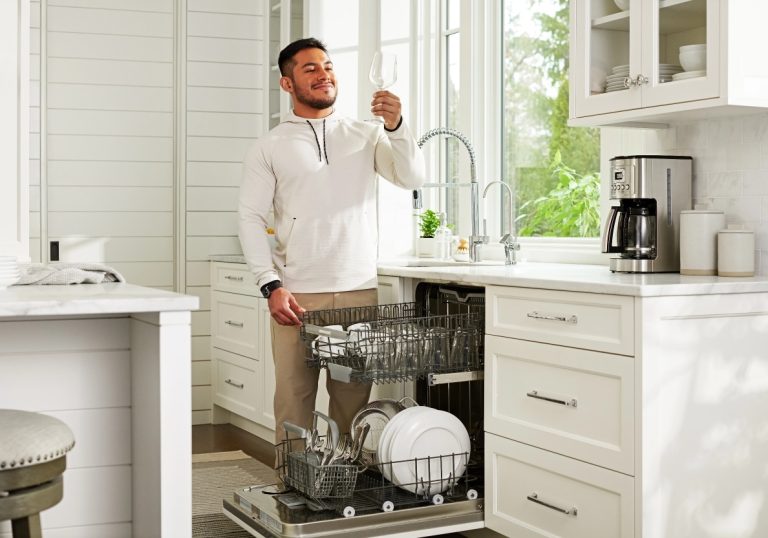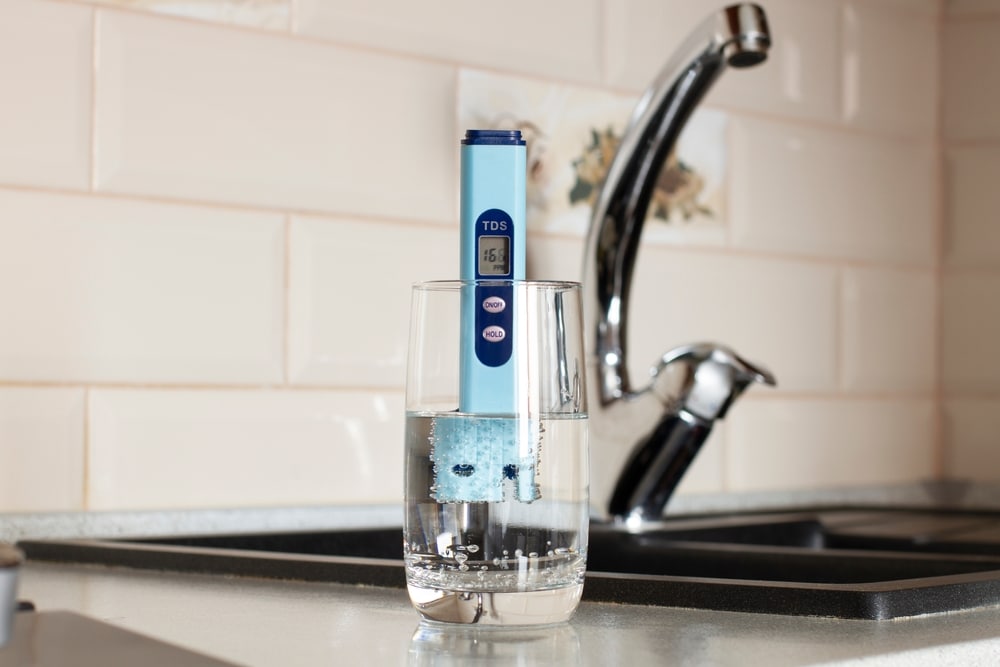
Hard water is the most common water problem in North America, and if you live in the Red Wing area, you already know what it looks like. The white scale creeping up your faucets, spots on your glassware, scratchy towels that never quite feel clean, and the water heater is working harder than it should.
When homeowners decide to finally do something about it, the first question we hear at Culligan of Red Wing is almost always the same: Should I go with a salt-based or a salt-free system?
The honest answer is that it depends on your water, your household, and your goals. Here is what you need to know to make the right call.
How Hard Water Actually Damages Your Home
Before comparing systems, it helps to understand what hard water is doing to your home. Hard water contains elevated levels of dissolved calcium and magnesium. As water moves through your pipes and appliances, those minerals deposit as scale.
Over time, scale restricts water flow, reduces appliance efficiency, and shortens the lifespan of water heaters, dishwashers, washing machines, and anything else that uses water regularly.
In Minnesota and Western Wisconsin, where water hardness levels tend to run high, this is not a minor inconvenience. It is an ongoing cost that shows up in higher utility bills, more frequent appliance repairs, and a constant battle against buildup in your fixtures and plumbing.
How Salt-Based Water Softeners Work
Salt-based softeners use a process called ion exchange to remove hardness minerals from your water. As water passes through a resin tank, calcium and magnesium ions are attracted to the resin beads and swapped out for sodium ions. The result is genuinely soft water flowing through every tap in your home.
The benefits are significant and immediate. Soft water lathers better, rinses cleaner, and stops scale from forming in your pipes and appliances. Laundry comes out softer, hair and skin feel noticeably different, and your water-using appliances run more efficiently and last longer.
Culligan’s Aquasential Smart High-Efficiency Water Softener takes this technology further, reducing operating costs by up to 46% and giving homeowners 24/7 monitoring and control through the Culligan Connect app. For households dealing with high iron content or persistently hard water, a salt-based softener remains the most thorough and proven solution available.
“Justin did a fantastic job on the repair of my water softener. He identified the issue quickly, replaced the part, informed me of another issue I was having, and offered a solution for that. He was very professional and knowledgeable about his work. A job well done!” — Sandi Robinson, Culligan of Red Wing Customer
How Salt-Free Water Conditioners Work
Salt-free systems, sometimes called water conditioners, work differently. Rather than removing hardness minerals from the water, they neutralize them so they are less likely to form scale deposits. The minerals remain in the water, but their behavior changes.
Culligan’s Aquasential Salt-Free Water Conditioner reduces scale formation using zero salt and zero electricity. For homeowners who want to protect their appliances and plumbing without adding sodium to their water or managing salt deliveries, this can be an attractive option. It also tends to require less maintenance than a traditional softener.
The important distinction is that salt-free conditioners do not produce the same tactile softness that ion exchange systems deliver. If your primary concerns are the feel of your water, laundry results, and skin and hair improvements, a salt-based softener will outperform a conditioner in those areas.
Choosing the Right System for Your Home
So which system is right for you? Here is a straightforward way to think about it:
Salt-based softener is likely the better fit if you:
- Have moderately to severely hard water
- Want noticeable improvements in how water feels on skin and hair
- Deal with high iron levels or smelly water
- Want to maximize appliance lifespan and efficiency
Salt-free conditioner may be the better fit if you:
- Have mild to moderate hardness levels
- Prefer a low-maintenance, no-salt solution
- Want scale protection without altering water’s mineral content
- Looking for an eco-conscious option with no electricity use
The most reliable way to know which direction to go is a professional water test. At Culligan of Red Wing, we have been helping homeowners understand their water since 1936. Our local water experts offer free in-home and virtual consultations that take the guesswork out of the decision entirely.
Backed by 85 Years of Local Water Expertise
National brands can ship you a box. What they cannot offer is a team that knows the specific water challenges in your area, services what they install, and stands behind their work long after the sale. Culligan of Red Wing has served this community for over 85 years, and that track record means something when you are making a decision that affects your home’s plumbing, your appliances, and the water your family uses every day.
Contact our team today to schedule your free water consultation and find out exactly what your water needs.
Water Softening FAQs
What is the main difference between a salt-based softener and a salt-free conditioner?
A salt-based softener removes hardness minerals from your water through ion exchange, producing genuinely soft water. A salt-free conditioner neutralizes those minerals so they are less likely to form scale, but does not remove them. Salt-based systems deliver more complete results for households with moderate to severe hard water.
Will a salt-free system make my water feel soft?
Not in the same way a salt-based softener does. Salt-free conditioners are effective at reducing scale buildup in pipes and appliances, but they do not produce the silky feel that ion exchange softeners deliver. If the tactile quality of your water is a priority, a salt-based system is the stronger choice.
How do I know how hard my water is?
The best way is a professional water test. Culligan of Red Wing offers free water consultations, in-home or virtual, that measure your water’s hardness level and identify any additional concerns like iron content or odor. This takes the guesswork out of choosing the right system.
Do salt-based softeners add a lot of sodium to drinking water?
The amount of sodium added through ion exchange is relatively small and varies based on your water’s hardness level. Many homeowners pair their softener with a Culligan reverse osmosis drinking water system at the kitchen tap for sodium-free drinking and cooking water.