Stepping out of the shower in a Minnesota home shouldn’t leave your skin feeling itchy or your glassware covered in cloudy spots.
Whether you live along the river in Red Wing or in the surrounding communities of Southeast Minnesota, these daily frustrations are often caused by the high mineral content found in our local supply.
If you have been wondering what is hard water and how does it affect your home? You are not alone. In our region, water is famously “hard,” often measuring significantly higher than the national average.
What Is Hard Water in Minnesota?
Hard water is defined by high levels of dissolved minerals, specifically calcium and magnesium. These minerals are picked up as water travels through the limestone and dolomite aquifers that characterize the geology of Southeast Minnesota.
While these minerals are safe to consume, they are “sticky” by nature. As the water evaporates or is heated, these minerals stay behind, creating a rock-hard residue known as scale.
Throughout our local groundwater sources, these elements are abundant. Without proper treatment, this mineral-heavy water flows through your pipes, sits in your appliances, and eventually makes its way onto your skin and hair.
Common Signs of Hard Water in Your Home
You do not need a laboratory test to know if you have a water quality issue. The signs of mineral buildup are usually visible in every room where water flows.
Common issues Minnesota homeowners face include:
- Stains and buildup: White, crusty deposits on faucets and showerheads
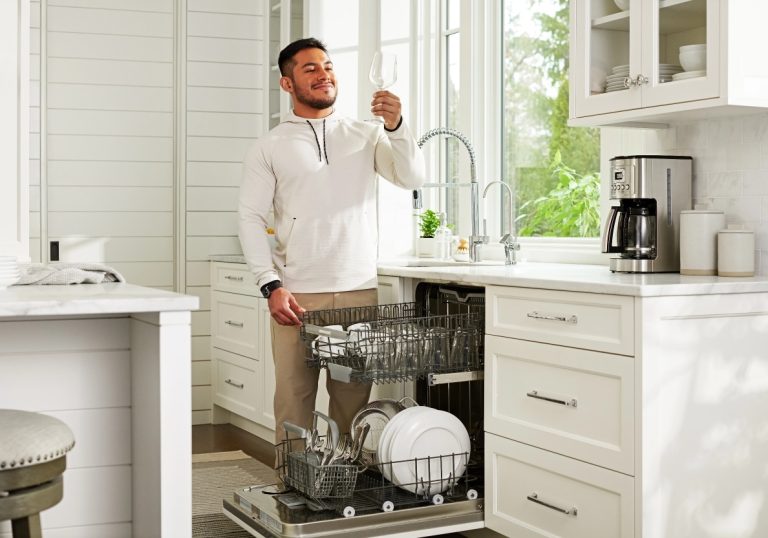
- Spotted glassware: Cloudy dishes after washing
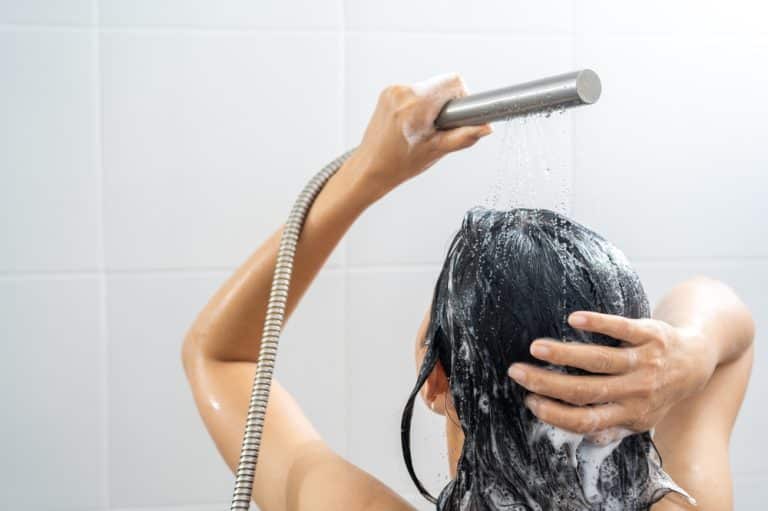
- Dry skin and hair: Soap doesn’t rinse clean, leaving residue
- Scratchy laundry: Stiff, faded clothes from trapped minerals
- Reduced water pressure: Scale buildup narrowing your pipes
How Hard Water Damages Plumbing and Appliances
One of the biggest problems with hard water is the hidden damage it causes to your home’s systems. Appliances like washing machines, dishwashers, and especially water heaters are most at risk.
When calcium and magnesium settle at the bottom of a water heater, they form a layer of sediment. This buildup acts like insulation, forcing the heater to work longer and use more energy to heat the water.
The result is higher utility bills and a shorter appliance lifespan. Treating hard water at the source helps protect these investments and keeps your home running more efficiently.
How a Water Softener Removes Hard Water Minerals
To solve these problems, a simple sediment filter is not enough. Because minerals like calcium are dissolved in the water, they must be removed through a molecular process called ion exchange.
Industry-leading water softeners contain a tank filled with thousands of tiny resin beads. These beads are designed to hold a small amount of sodium. As hard water flows through the resin, a molecular swap occurs. The resin beads grab onto the calcium and magnesium ions and release a tiny amount of sodium in their place.
The hard water minerals are trapped inside the softener so they never reach your skin, hair, or plumbing fixtures. Periodically, the system regenerates by flushing out the trapped minerals and refreshing the beads, ensuring you always have a steady supply of soft water for your home.

Professional Water Treatment Solutions in Red Wing and Beyond
Choosing the right partner for your water needs means working with experts who understand the unique Minnesota landscape. Culligan of Red Wing is a family-owned and operated business.
Since 1936, the Culligan team has been committed to providing top-rated equipment and advanced technology. Our location expanded in 2021 to offer residential plumbing assistance, ensuring your entire water system is in professional hands. We offer:
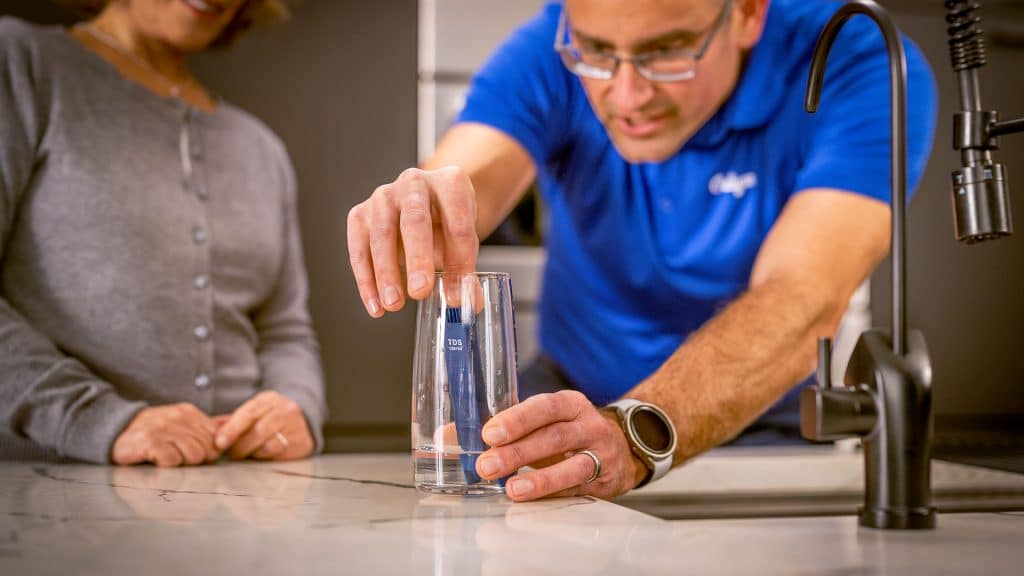
- Personalized Solutions: We provide a free basic water test to determine exactly what is in your water before recommending a system.
- Advanced Technology: Our water softeners are highly efficient, using less salt and water than standard models.
- Full-Service Support: From installation to salt delivery, we handle the complex details to make the experience simple for you.
- 100% Satisfaction Guarantee: We stand behind our equipment and our people with a long-term commitment to excellence.
Protect Your Home and Your Family Today
You do not have to live with the frustrations of hard water. Whether you want to save money on your energy bills, protect your plumbing, or simply enjoy softer skin and cleaner dishes, our team is here to help.
With over 85 years of brand history and local Minnesota ownership, we have the tools to improve your home life.
Schedule your free water test with us and see exactly what is in your water. Our local team will recommend the right solution so your home runs cleaner, more efficiently, and with fewer headaches.
Hard Water FAQs
How hard is the water in Minnesota?
Many areas of Southeast Minnesota have hard to very hard water due to limestone and dolomite aquifers.
Is hard water safe to drink?
Yes. Hard water is safe to drink, but it can cause buildup in pipes, appliances, and on skin and hair.
Does a water softener increase sodium in water?
Water softeners add a very small amount of sodium during the ion exchange process. For most households, this increase is minimal.