Most explanations of reverse osmosis sound like they were written for chemistry majors.
But here’s the thing: reverse osmosis explained without the tech talk is surprisingly simple. Think of it as the ultimate water filter that catches contaminants other systems miss, giving you the cleanest drinking water possible right at your kitchen sink.
For Red Wing homeowners dealing with hard water, iron, or unpleasant tastes from municipal water, RO systems offer a practical solution that noticeably improves how your water looks and tastes.
What Reverse Osmosis Actually Does
Imagine the finest coffee filter you’ve ever seen, but thousands of times finer. So fine that only water molecules can squeeze through, while everything else gets left behind. That’s essentially what happens in a reverse osmosis system.
Water gets pushed through a special filter (the membrane) with tiny holes that let pure water pass through while blocking contaminants. Are all those things making your water taste funny, look cloudy, or smell off? The RO membrane catches them and sends them down the drain.
What Gets Removed
- Dissolved minerals that create hard water
- Iron that causes rusty stains
- Chlorine and chloramines from municipal treatment
- Lead, arsenic, and other heavy metals
- Nitrates and sulfates
- Bacteria and viruses
- Chemicals and pesticides
This isn’t a partial cleanup job. RO systems remove up to 99% of dissolved solids and contaminants, which is why the water tastes so dramatically different.
How the Process Works (In Plain English)
An RO system under your sink has several stages working together, each handling different tasks.
Stage 1: Pre-Filtration
Before water reaches the main RO membrane, it goes through pre-filters that catch larger particles—sediment, rust, and chlorine. This protects the delicate RO membrane from damage and clogs.
Stage 2: The RO Membrane
This is where the magic happens. Water gets pushed through the membrane while contaminants can’t make it through those microscopic openings. Think of it like a bouncer at a club—water gets in, everything else doesn’t.
Stage 3: Storage Tank
Clean water collects in a small storage tank under your sink. This means you have filtered water ready whenever you need it, without waiting for the filtering process each time you fill a glass.
Stage 4: Final Polish Filter
Right before water comes out of your faucet, it passes through a final carbon filter that removes any lingering tastes or odors, ensuring every glass tastes fresh and clean.
Why Red Wing Water Benefits From Reverse Osmosis
Red Wing’s water comes with its own set of challenges that make reverse osmosis particularly valuable here.
Hard Water Solutions
Hard water from high calcium and magnesium levels affects many Red Wing homes. While whole-house water softeners handle bathing and laundry water, an RO system at your kitchen sink removes these minerals from drinking and cooking water. No more mineral taste in your coffee or tea, and no more spots on glasses rinsed with tap water.
Iron Removal
Iron in Red Wing’s water supply creates rusty stains and metallic tastes. RO systems excel at removing dissolved iron, giving you clear, great-tasting water without that metallic aftertaste that makes certain foods turn black when cooked.
Municipal Treatment Taste
Even treated municipal water can carry a chlorine taste and other treatment chemical flavors. RO removes these, along with any contaminants that might enter through aging pipes between the treatment plant and your home.
What Makes RO Different From Regular Filters
You might wonder why you need reverse osmosis when pitcher filters and faucet filters exist. The difference comes down to what gets removed and how effectively.
Standard Filters vs. RO
Regular carbon filters improve taste by removing chlorine and some larger particles. They work fine for basic improvements, but can’t touch dissolved minerals, heavy metals, or many chemical contaminants.
RO systems remove contaminants at the molecular level. If a regular filter is like a window screen, an RO membrane is like a solid wall with molecular-sized doorways.
Whole-House Systems vs. Under-Sink RO
Whole-house water softeners handle hard water for your entire home, protecting appliances and making soap work better. But you don’t necessarily want to drink softened water because of the sodium added during the softening process.
Under-sink RO systems give you purified drinking water without affecting your whole-house water supply. You get the benefits where you need them most—at your kitchen sink for drinking, cooking, and making beverages.
Maintaining Your Reverse Osmosis System
One common concern about reverse osmosis systems is maintenance. The good news is that upkeep is simple and predictable.
Pre-filters and post-filters need replacing every 6-12 months, depending on your water quality and usage. The RO membrane itself typically lasts 2-3 years. These replacements are straightforward and keep your system working efficiently.
Culligan of Red Wing offers regular maintenance, installation, and service on all makes and models of RO systems. Our team handles filter replacements and system checks, so you don’t have to worry about the details.

The Difference You’ll Notice
People who install RO systems consistently notice several immediate improvements:
- Better-tasting water for drinking and beverages
- Improved flavor when cooking soups, pasta, and coffee
- Cleaner hydration without contaminants that affect taste or odor
Professional Installation and Support
While DIY RO systems exist, professional installation ensures optimal performance and prevents common problems like leaks, inadequate pressure, or improper drain connections.
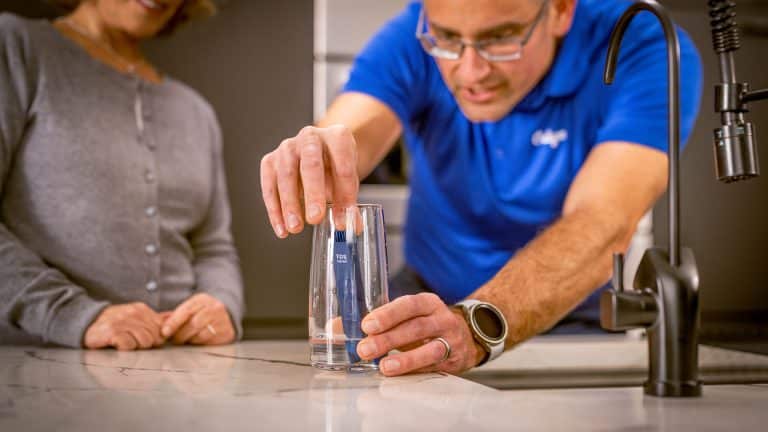
Culligan of Red Wing provides complete installation services, ensuring your RO system works efficiently from day one. We also offer free water testing that gives you results in just 30 minutes, showing exactly what’s in your water and confirming what your RO system removes.
Our convenient maintenance service means you never have to remember when filters need changing. We keep track and handle replacements on a schedule that works for you.
Contact us for free water testing and learn how a reverse osmosis system can solve your specific water quality concerns. Our local water experts will help you find the right solution for your home.