You turn on the faucet, and something looks off. The water seems cloudier than usual. Or maybe it tastes slightly different. But it’s not bad enough to be alarmed, right? So you ignore it.
Then a month later, you realize you’ve been filling your dishwasher multiple times because the dishes aren’t getting clean. Your shower doesn’t feel as refreshing. Your coffee tastes just a little off.
Here’s the uncomfortable truth: your water filter is probably trying to tell you something. And ignoring those signals could mean you’re not protecting your home from contaminants, minerals, and impurities that are actively causing problems.
This is why understanding when to replace water filters isn’t just about convenience. It’s about ensuring your water stays safe and your home stays protected.
How Water Filters Actually Work (And Why They Get Tired)
Your water filter doesn’t just sit there looking fancy. It’s actively working every single day, catching contaminants, particles, minerals, and impurities from your water supply.
Think of it like this: your filter is a net with increasingly smaller holes. When water flows through, the net catches things that don’t belong. Sediment. Iron. Chlorine. Minerals that cause hard water problems. Odors and tastes that come from various sources.
But here’s the thing: that net can only catch so much before it gets full. Once it’s saturated, it can’t filter effectively anymore. Water either flows around the filter entirely, or it flows through slower and slower until you notice a decrease in water pressure.
The contamination it was removing? Now flowing right back into your home.
This is exactly why replacement schedules matter. You’re not replacing your filter because it magically stops working on day 365. You’re replacing it because its effectiveness declines gradually, and at a certain point, it stops protecting your water.
The Timeline Question: When Exactly Should You Replace?
This depends on multiple factors, and it’s not a one-size-fits-all answer.
Your current water quality matters
If your water is heavily contaminated with sediment or minerals, your filter works harder and gets saturated faster. A home with severe iron staining will need filter changes more frequently than a home with mild issues.
Water usage in your household affects replacement timing
A family of five using water constantly will saturate a filter faster than a couple living alone. Higher volume means more contamination being caught, which means the filter reaches capacity sooner.
The type of filter you’re using matters
Different filter systems have different capacities. Some filters are designed for specific contaminants and saturate at different rates depending on what they’re filtering.
Your municipal water supply changes seasonally
Spring runoff might bring more sediment. Winter weather can change mineral content. Your filter needs might shift throughout the year.
Generally, whole-home water filters need replacement somewhere between every 6 to 12 months. But that’s a baseline. Your specific situation might require more frequent changes. And the only way to know for sure is to have professionals assess your water and your filter system.
The Signs Your Filter Is Struggling (And You Should Act)
Rather than guessing, pay attention to what your water is telling you. These signals mean your filter needs attention sooner rather than later.
- Reduced water pressure is often the first sign. Water flows more slowly from your taps. Your shower doesn’t have the punch it used to. This means your filter is getting clogged, and water has to work harder to get through.
- Visible changes in your water signal that filtration is failing. Cloudiness or discoloration means particles that should be caught are getting through. Maybe you notice a slight odor or taste that wasn’t there before.
- Household problems returning are another major indicator. You installed the filter because you had issues like iron staining, difficulty cleaning, or bad taste. If those problems start creeping back, your filter is losing effectiveness.
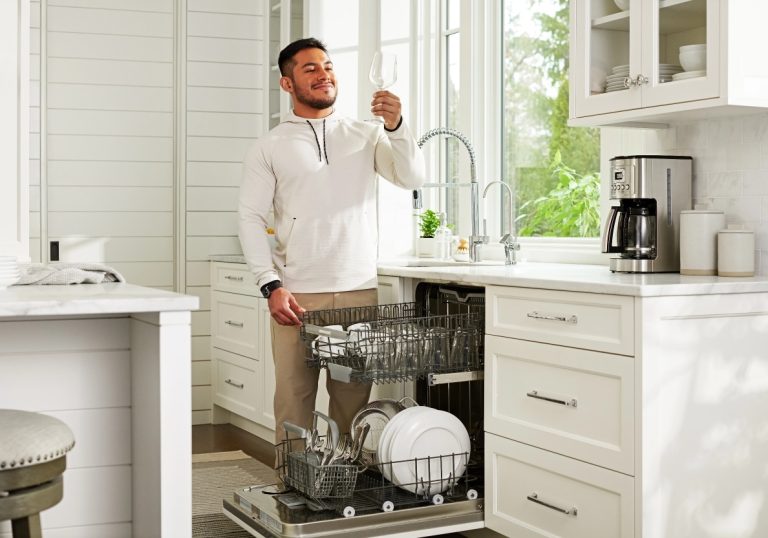
- Appliance performance declining can indicate filter failure. Your dishwasher is leaving spots on glasses again. Your washing machine isn’t rinsing clothes properly. Buildup is returning to your plumbing fixtures.
- Visible filter debris is the most obvious sign. Some systems allow you to see the filter. If it looks dark, dirty, or clogged, replacement is overdue.
The key is this: don’t wait for problems to appear. Address filter replacement proactively based on your water conditions and usage patterns.

The Real Cost of Ignoring Filter Replacement
Putting off filter replacement might seem like you’re saving money. You’re not.
Unfiltered water damages your home in slow, expensive ways.
- Mineral buildup in pipes reduces water pressure and causes corrosion.
- Hard water ruins appliance efficiency and shortens their lifespan.
- Sediment and particles accumulate in your water heater, reducing its effectiveness.
- Iron staining becomes harder to remove from fixtures and surfaces.
You end up paying more in appliance repairs and replacements than you would have spent on filter maintenance.
Beyond the financial hit, there’s the health consideration. Your filter is protecting your family from contaminants, bacteria, and chemicals that shouldn’t be in drinking and bathing water. Ignoring that protection isn’t worth the small savings.
Culligan whole-home water filters aren’t an expense. They’re an investment in your home’s longevity and your family’s health.
Take the Guesswork Out of Filter Replacement
Set calendar reminders based on your filter type and your water conditions. When Culligan installs your system, we provide specific recommendations for your situation. Write them down. Set phone notifications.
Track your water quality changes. Notice when problems start returning. This gives you real data about whether you need replacements every 6 months, every 9 months, or every year.
Have water tests done periodically. Your water quality isn’t static. It changes with seasons and supply variations. Regular testing reveals when your filter needs adjustment or replacement sooner than expected.
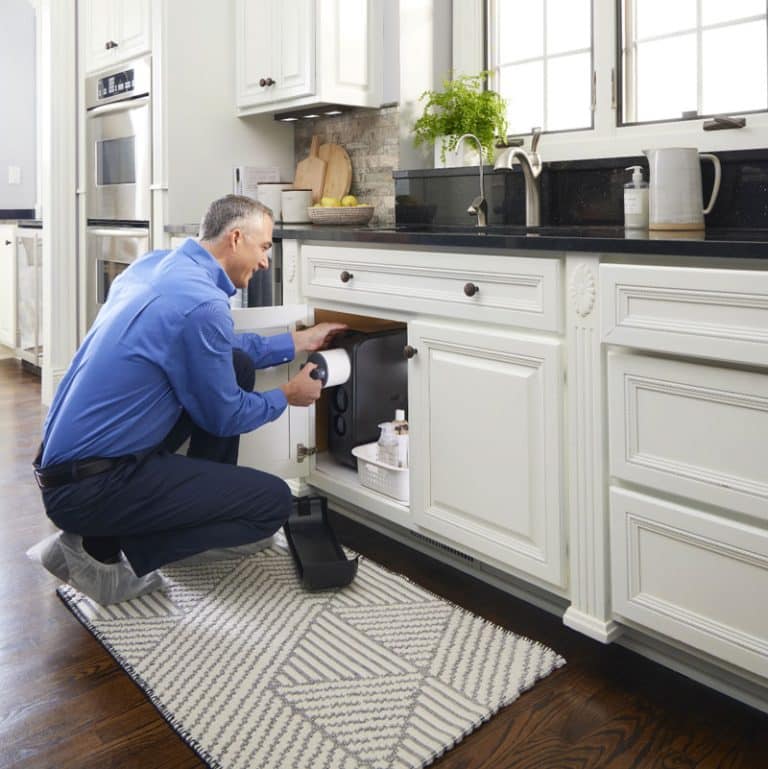
Talk to your Culligan expert. This isn’t something you have to figure out alone. Your local water expert has 85 years of experience helping Red Wing homeowners protect their water. We’ll tell you exactly when replacement is needed and why.
Don’t Wait Until Problems Appear
The best time to replace your filter is before you notice something wrong. Proactive replacement keeps your water clean, your appliances protected, and your household running smoothly.
Your water is too important to leave to guesswork. Contact Culligan of Red Wing to discuss your filter replacement schedule and ensure your water stays protected year-round.